
The Helper
Caring, demonstrative, people-pleasing.
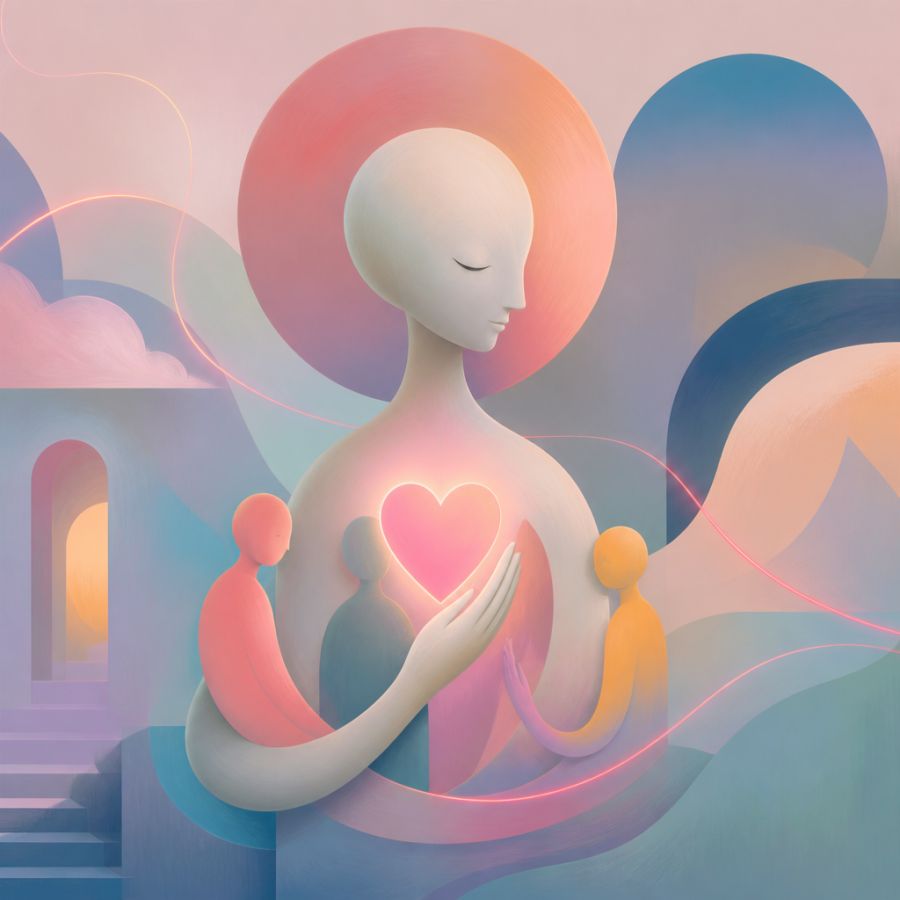
Type Twos are oriented toward others in a fundamental way. They experience genuine pleasure in making people feel seen, loved, and cared for — and they derive much of their sense of self from being needed. At their healthiest, this becomes a remarkable gift: Twos bring warmth, empathy, and intuitive attentiveness that profoundly enriches the lives of those around them.
Twos are socially gifted. They read emotional atmospheres quickly, adapt to what others need, and have an almost magical ability to make people feel special. They remember the details — the birthday, the favorite, the fear mentioned once in passing — and they act on them.
In relationships, Twos are devoted and generous. They love deeply and struggle to love in moderation. But this devotion carries a hidden dimension: Twos often give in order to receive — not consciously, but as a way of securing the love and approval they crave. When that reciprocity doesn't come, the result can be resentment, martyrdom, or a quiet withdrawal of affection.
The central challenge for Twos is acknowledging their own needs. They have learned, often very early, that expressing need is dangerous — that love must be earned through service. Beneath the generosity lies a fear of being unloved for who they are, rather than for what they do.
Growth for Type Two means learning to receive — to allow themselves to be cared for, to ask for help, and to recognize that their intrinsic worth doesn't depend on being useful. When Twos access this, they move from compulsive giving to genuine love — freely offered, without the shadow of need.
Profile Overview
The personality profile of the Helper, or Type 2 of the Enneagram, is driven by a strong need to be useful and appreciated. This profile is characterized by its ability to foster warm and harmonious relationships. In social settings, Helpers are often perceived as pillars of support, their natural empathy allowing them to connect easily with others. The Helper primarily seeks recognition through service and love, which pushes them to exceed their personal limits to meet the needs of others.
In their daily lives, Helpers are incredibly attentive to the smallest details of their loved ones' lives, memorizing personal information such as birthdays or individual preferences. This enables them to offer support that is both precise and affectionate. However, this tendency to sacrifice for others can come with a certain neglect of their own emotional and physical needs, an aspect often underestimated by the Helper themselves.
The deep motivations of this profile are closely linked to their desire to be loved unconditionally. They wish to be seen as indispensable, which can lead to an incessant quest for validation through their acts of generosity. When they succeed in balancing their need to give and their capacity to receive, the Helper reveals a strength of unconditional love, capable of enriching the lives of those around them without expecting anything in return.
Key Strengths
One of the greatest strengths of the Helper lies in their ability to interact in a kind and empathetic manner. Their natural sensitivity allows them to instinctively understand what others are feeling, making each interaction personal and meaningful. In professional settings, this ability can transform a work environment into a collaborative and cohesive space, as the Helper fosters mutual respect and support.
In personal relationships, the commitment and loyalty of the Helper are remarkable. Loved ones can count on them to be present in difficult times, providing unwavering support. Through their generosity – both in terms of time and energy – the Helper knows how to create a home of warmth and security around them, strengthening emotional and social bonds. These qualities make them a valuable ally in almost any circumstance.
Challenges & Growth Areas
Despite their many qualities, the Helper may encounter difficulties due to their tendency to neglect their personal needs in favor of others. This dynamic can lead to exhaustion or a feeling of emotional emptiness when they continue to give without receiving in return. To overcome this challenge, it is crucial for them to learn to set clear boundaries and accept help and recognition from others.
Another major challenge for the Helper is their tendency to seek validation through their acts of generosity. Honest introspection and regular practice of personal recognition can help cultivate a sense of self-esteem that is not solely based on external approval. Over time, they may develop the ability to give with love, rather than out of need.
Romantic Relationships
In romantic relationships, the Helper displays a rare devotion and tenderness, aiming to meet their partner's emotional needs. They seek a deep and mutually rewarding connection based on trust and understanding. Nevertheless, this intense search for connection can sometimes lead to overprotection or even possessiveness, which could stifle their partner.
For the Helper to thrive in a couple, it is essential that they learn to express their own needs and expectations, rather than immersing themselves entirely in serving the other. By recognizing the importance of reciprocity, the Helper can build balanced relationships where each partner feels nourished and valued.
Friendship & Social Life
In friendship, the Helper excels in the art of creating deep and authentic connections. They have an innate talent for forming lasting relationships based on mutual understanding and constant support. Their social circle may vary in size, but each friendship is enriched by their warmth and commitment.
However, the Helper's need to feel unconditionally loved can sometimes lead to an unbalanced emotional investment. To maintain healthy friendships, they must learn to receive as well as to give, and accept that others have their own ways of expressing their affection and gratitude.
Work & Career
The Helper often finds themselves in professional environments where they can express their kind nature and deep desire to contribute positively. Jobs requiring great listening skills, support for others, and frequent human interactions are ideal for this profile. They thrive in roles where they can see the direct and positive impact of their work on others.
Their sense of empathy and their ability to understand the needs of others make them a sought-after collaborator, particularly in teams where cohesion and respect are essential. However, to avoid burnout, it is important for the Helper to learn to say no and manage their personal resources in a balanced way.
Suitable Careers
- Helper in support relations
The Helper finds satisfaction in this profession that allows them to use their empathy to support and actively listen to the problems of others, bringing comfort and solutions.
- Teacher
Teaching offers the Helper a framework to express their natural generosity, by guiding and inspiring students to give their best.
- Social worker
The Helper excels in contexts where direct aid to others is paramount. This profession allows them to bring positive changes to the lives of others.
- Human resources manager
In this role, the Helper can use their talents to create a harmonious work environment and promote the personal and professional development of employees.
- Nurse
The field of care allows the Helper to put their altruism into practice, providing care and comfort to patients.
- Customer service specialist
As a direct contact for customers, the Helper can ensure a positive experience through their attention to detail and their ability to solve problems with kindness.
Compatibility
The Peacemaker
The Mediator and the Helper share a harmonious vision of relationships. Their mutual understanding and desire to avoid conflicts create strong and soothing bonds.

The Individualist
The Individualist brings an emotional depth that resonates well with the Helper, enriching their relationship through a mutual appreciation of authenticity and empathy.

The Loyalist
The Loyalist offers stability and support, two qualities valued by the Helper. Together, they form a supportive team where trust is paramount.
Famous Personalities
- ✦Mother Teresa — Known for her dedication and compassion, she embodies the charitable and sacrificial qualities associated with Type 2.
- ✦Princess Diana — Inspired millions with her humanitarian commitment and her ability to touch hearts around the world.
- ✦Fred Rogers — Host and educator, he is famous for his kind-hearted ability to teach and comfort through his warmth and sincerity.
- ✦Dolly Parton — Singer and philanthropist, she uses her fame to advance important social causes, a testament to her natural generosity.
- ✦Samwise Gamgee — Loyal servant and steadfast friend in <em>The Lord of the Rings</em>, Sam embodies the fidelity and dedication characteristic of the Helper.
- ✦Remus Lupin — Character from <em>Harry Potter</em>, he is appreciated for his wisdom and his desire to help others despite his own challenges.
- ✦Molly Weasley — Her warm and motherly nature in <em>Harry Potter</em> makes her the perfect embodiment of the Helper's values, always ready to support her family.
- ✦Rapunzel — In <em>Tangled</em>, her desire to be useful and loved reflects the fundamental aspirations of Type 2.
Discover your profile now
Answer a few questions and get your result instantly.
Frequently Asked Questions
Is this profile rare?
<p>The profile of the Helper is relatively common and represents a significant part of the population in Enneagram personality tests. It is estimated that this personality type constitutes about 15% of individuals, making it one of the most recognizable and influential profiles in social interactions.</p>
What are its main strengths?
<p>The Helper stands out for their deep empathy and exceptional ability to read the needs of others. These qualities allow them to create warm environments where everyone feels valued and heard. Their loyalty and commitment to those they love make them an invaluable partner, friend, and colleague.</p>
What are its main challenges?
<p>One of the major challenges for the Helper is to take care of their own needs while continuing to devote themselves to others. They must be vigilant not to seek validation only through acts of service, which can lead to frustrations or resentment if they feel underappreciated.</p>
Which careers suit this profile best?
<p>Careers that allow the Helper to practice their deep caring for others are ideal. Careers in teaching, social work, human resources, or counseling are particularly well suited to their kind and generous nature.</p>
Which profiles is it most compatible with?
<p>The Helper often finds great compatibility with the Mediator (type-9), the Individualist (type-4), and the Loyalist (type-6). These profiles share a mutual understanding of emotions and needs, fostering harmonious and balanced relationships.</p>
How does this profile behave under stress?
<p>Under pressure, the Helper may tend to overextend themselves or become too emotionally invested in the problems of others. They may also feel an increased need for recognition, which could lead to frustration if it is not granted. Cultivating awareness of their limits and knowing when to ask for help is crucial to managing stress effectively.</p>
Similar tests you might enjoy
Selected based on this profile's dimensions

Big Five Personality Test
44 scientifically validated questions measure your personality across the five OCEAN dimensions: Openness, Conscientiousness, Extraversion, Agreeableness, and Neuroticism.
16 Personality Types Test
Answer 80 questions to explore your preferences across four dimensions. Receive one of 16 detailed personality profiles.
What color are you?
Discover which color reflects your personality and brightens your daily life.

What Type of Dog Are You?
Find out which type of dog best represents you among a variety of adorable and endearing breeds.

Which member of the Fellowship of the Ring are you?
Discover your alter ego among the brave members of the Fellowship of the Ring.