

The Adventurer
Flexible, charming, and sensitive.
ISFP — The Adventurer: gentle, flexible, and deeply in tune with their senses. This artistic MBTI type lives in the present, expressing their rich inner world through creativity and spontaneous action.
ISFPs combine sensitivity with independence and prefer authentic expression over external performance. They often have strong aesthetic judgment, personal integrity, and a grounded awareness of immediate experience. Their growth path includes proactive planning and speaking their priorities before pressure accumulates.
At work, ISFPs bring quality through craft, taste, and quiet dedication to meaningful detail. In relationships, they are sincere and caring, and grow by making expectations explicit rather than implied.
In growth, the key is preserving core strengths while deliberately developing less natural but high-leverage behaviors.
Profile Overview
The Adventurer's profile is both unique and beautifully complex. Its most distinctive traits include heightened sensitivity and a tendency to live intensely in the moment. Gifted with natural charm and incredible flexibility, ISFPs are often perceived as charismatic individuals who place great importance on authenticity. They are deeply attuned to their senses, allowing them to blend creativity and personal expression seamlessly. In their daily lives, Adventurers stand out for their ability to appreciate beauty in the simplest things and their desire to live in harmony with their deeply rooted values.
This profile is primarily motivated by a need for authenticity and creativity. In everyday life, this translates into great attention to detail and a constant search for new sensory experiences. Whether it's in the way they dress or their approach to the world, ISFPs love to express their individuality through artistic and often subtle means. Their worldview is colored by an appreciation for beauty and a sincere empathy for others, making them very thoughtful friends and partners.
Although naturally introspective, ISFPs are not afraid to commit deeply to projects that resonate with their personal values. However, they prefer to avoid conflict and favor a peaceful and harmonious lifestyle. Their kind and non-confrontational approach manifests in their interpersonal relationships, where they strive to maintain an atmosphere of harmony at all costs.
Key Strengths
The Adventurer is intrinsically gifted for authentic and sincere self-expression. This profile uses its strong aesthetic sense to transform abstract ideas into tangible and beautiful creations. Whether through art, music, or any other creative means, ISFPs can profoundly touch their audience by their ability to communicate complex emotions simply and directly.
In relation to others, the ISFP demonstrates deep empathy, particularly in one-on-one interactions. They are capable of feeling and understanding the emotions of others, making them ever-present and reliable supporters. Their peaceful and adaptable nature makes them particularly appreciated in various social environments, where their reassuring presence provides calm stability. Their disposition to be in the present also allows them to easily adapt to changing circumstances and seize opportunities when they arise.
Challenges & Growth Areas
ISFPs may encounter challenges when it comes to long-term planning, their preference for the present moment sometimes leading them to neglect future preparation. This can result in difficulties anticipating the consequences of certain actions or decisions, which may confront them with unforeseen situations. To address this, Adventurers could benefit from developing time management and strategic planning skills.
Another major challenge for the ISFP profile is the avoidance of confrontations. Although they are naturally non-confrontational, it is important for them to learn to assert themselves and establish clear boundaries. By learning to express their needs and expectations more explicitly, they can avoid frustrations and latent conflicts that may sometimes arise in their personal and professional relationships.
Finally, ISFPs' natural inclination to prefer concrete experiences can lead them to struggle with abstract or theoretical concepts. By integrating new perspectives and opening up to intellectual discussions, they can broaden their understanding and appreciation of broader ideas, which can enrich both their personal and professional lives.
Romantic Relationships
In romantic relationships, ISFPs primarily seek a deep and authentic connection with their partner. They love gently and intensely, expressing their affection through thoughtful gestures and small surprises that reflect their sensitive and devoted nature. Their need for emotional freedom means they thrive in relationships where spontaneity and authenticity are valued.
However, their natural reluctance to express their needs clearly can sometimes create misunderstandings with their partners. For Adventurers, it is crucial to work on their communication and learn to share their thoughts and feelings directly to avoid frustrations or resentments. When they feel fulfilled, ISFPs bring warmth, innovation, and a fresh and unique perspective to the couple's dynamic, enriching the relationship in invaluable ways.
Friendship & Social Life
In friendship, ISFPs are deeply loyal and caring. Although they take their time to open up fully, this initial reserve hides a rich emotional depth and a keen sense of empathy. Close friends of the Adventurer benefit from their ability to listen attentively and offer non-judgmental support. ISFPs generally prefer intimate small gatherings over large crowds, finding comfort and pleasure in more personal and meaningful interactions.
However, their inclination to be discreet can sometimes be perceived as distance or lack of interest. They bring to their friends a real depth of understanding and unwavering dedication, but to avoid any confusion, it is essential that they learn to manifest their interest and affection more explicitly. This helps to strengthen their relationships and ensure that their friends feel appreciated and valued.
Work & Career
Professionally, ISFPs thrive in environments that value creative freedom and independence. They excel in roles that allow them to infuse creativity and innovation into their daily work, often preferring careers in the arts, design, or any field where their aesthetic sense and artistic skills can shine.
However, ISFPs may feel demotivated in rigid environments where bureaucratic processes and compliance prevail. They prefer to work autonomously but also thrive in teams where collaboration means sharing ideas and encouraging originality. Their natural sensitivity and empathy make them valued colleagues who contribute to a harmonious work atmosphere.
Even though they do not systematically seek leadership roles, when ISFPs are passionate about a cause or project, they can inspire those around them with their determination and ability to communicate an inspiring vision.
Suitable Careers
- Graphic Designer
With their sharp aesthetic sense, ISFPs excel in the field of graphic design, where they can express their creativity while capturing the visual essence desired by their clients.
- Artist or Illustrator
ISFPs often find satisfaction as artists or illustrators, roles in which they can unleash their overflowing imagination and explore different forms of visual expression.
- Musician
Given their deep connection with emotions and senses, ISFPs can thrive in music, using sound to express their feelings and powerfully influence others.
- Art Therapist
Using art as a therapeutic tool allows ISFPs to employ their empathy and creativity to help others understand and heal through artistic creation.
- Photographer
With their ability to see beauty in details, ISFPs can capture unique and emotional moments, immortalizing memories through the lens of their camera.
- Creative Chef
As chefs, ISFPs can explore their love for creativity by combining flavors and artistic presentations to create unforgettable culinary experiences.
Compatibility
The Mediator
The Mediator shares with the Adventurer a love for creativity and personal expression, fostering mutual understanding and intuitive communication.

The Campaigner
The Campaigner, dynamic and enthusiastic, offers a beautiful complement to the Adventurer, bringing a refreshing energy that inspires new ideas and innovation.
The Defender
The Defender, with their caring nature and stability, creates a safe and warm environment where the Adventurer can fully thrive.
Famous Personalities
- ✦Frida Kahlo — An iconic artist known for her intense and emotional works, Frida Kahlo embodies the ISFP through her unique and personal artistic expression.
- ✦Johnny Depp — An actor famous for his varied roles and ability to immerse the audience in fantastical worlds, Johnny Depp illustrates the creativity and individuality of ISFPs.
- ✦Prince — A musician and pop icon, known for his singular and avant-garde artistic style, Prince pushed the boundaries of musical and visual expression.
- ✦Bob Ross — An artist and television presenter, Bob Ross inspired millions through his gentle and positive approach to art, perfectly embodying the caring nature of ISFPs.
- ✦Frodo Baggins (The Lord of the Rings) — A quiet yet determined hero, Frodo embodies the ISFP through his calm courage and ability to stay true to his values during times of crisis.
- ✦Belle (Beauty and the Beast) — Belle is a typical ISFP, with her love for books, her quest for rich experiences, and her willingness to see beyond appearances.
- ✦Rapunzel (Tangled) — A dynamic and curious character, she represents the Adventurer through her quest for discovery and her ability to see beauty in the world.
- ✦Edward Scissorhands (Edward Scissorhands) — A character that expresses great sensitivity and a unique aesthetic sense, illustrating the uniqueness of ISFPs.
Discover your profile now
Answer a few questions and get your result instantly.
Frequently Asked Questions
Is this profile rare?
ISFPs, or Adventurers, represent about 8 to 9% of the population, placing them in a relatively common category among MBTI types. Their unique combination of sensitive and artistic qualities allows them to stand out while remaining grounded in their social environment. This gives them a worldview that is both common and singular, appreciated in various contexts throughout society.
What are its main strengths?
The main strengths of the Adventurer include authentic self-expression, a strong aesthetic sense, and great empathy. They are peaceful and non-confrontational, making them pleasant and appreciated in social settings. Their ability to adapt and be present allows them to make the most of every moment. These qualities translate into sincere relationships and a creative approach in their work and leisure activities.
What are its main challenges?
Adventurers may struggle with long-term planning and asserting their personal boundaries. They often need time to open up and can be perceived as too reserved, which can sometimes complicate connecting with others. To overcome these challenges, it is important for them to develop their assertiveness and adopt thoughtful planning strategies that take their long-term goals into account.
Which careers suit this profile best?
ISFPs thrive in careers that value creativity and independence, such as those of artist, graphic designer, musician, or art therapist. They prefer professional environments where freedom of expression is encouraged and where they can work at their own pace. Highly rigid structures or overly conservative environments can be demotivating for them, as it limits their personal and artistic expression.
Which profiles is it most compatible with?
The Adventurer is particularly compatible with profiles like the Mediator (infp), the Campaigner (enfp), and the Defender (isfj). These relationships work well as they promote self-expression, mutual emotional understanding, and an atmosphere of support and creativity. Together, they can form harmonious partnerships where ideas and emotions are valued and respected.
How does this profile behave under stress?
Under pressure, ISFPs may tend to withdraw and avoid confrontations, which can complicate their stress management. They may feel overwhelmed when in overly structured environments or when pressed to make quick decisions. To better manage stress, it is advised that they take the time to reconnect with their personal values and seek activities that connect them to their creativity and nature.
Similar tests you might enjoy
Selected based on this profile's dimensions
Big Five Personality Test
44 scientifically validated questions measure your personality across the five OCEAN dimensions: Openness, Conscientiousness, Extraversion, Agreeableness, and Neuroticism.
Enneagram Personality Test
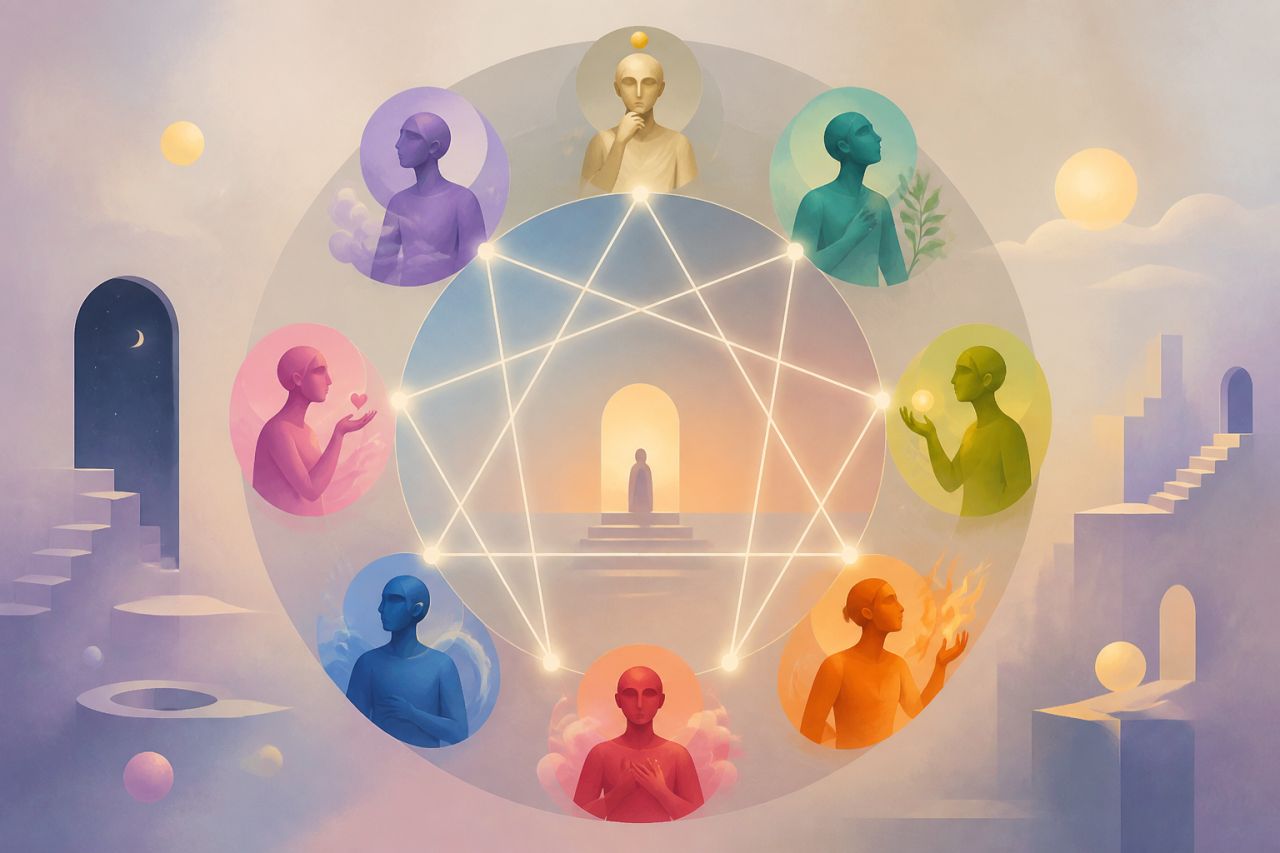
Take our 81-question Enneagram test to discover your personality type, wing, and the deep motivations driving your behavior.

Which member of the Fellowship of the Ring are you?
Discover your alter ego among the brave members of the Fellowship of the Ring.
What color are you?
Discover which color reflects your personality and brightens your daily life.

Which Game of Thrones character are you?
Discover which iconic Game of Thrones character resembles you the most.